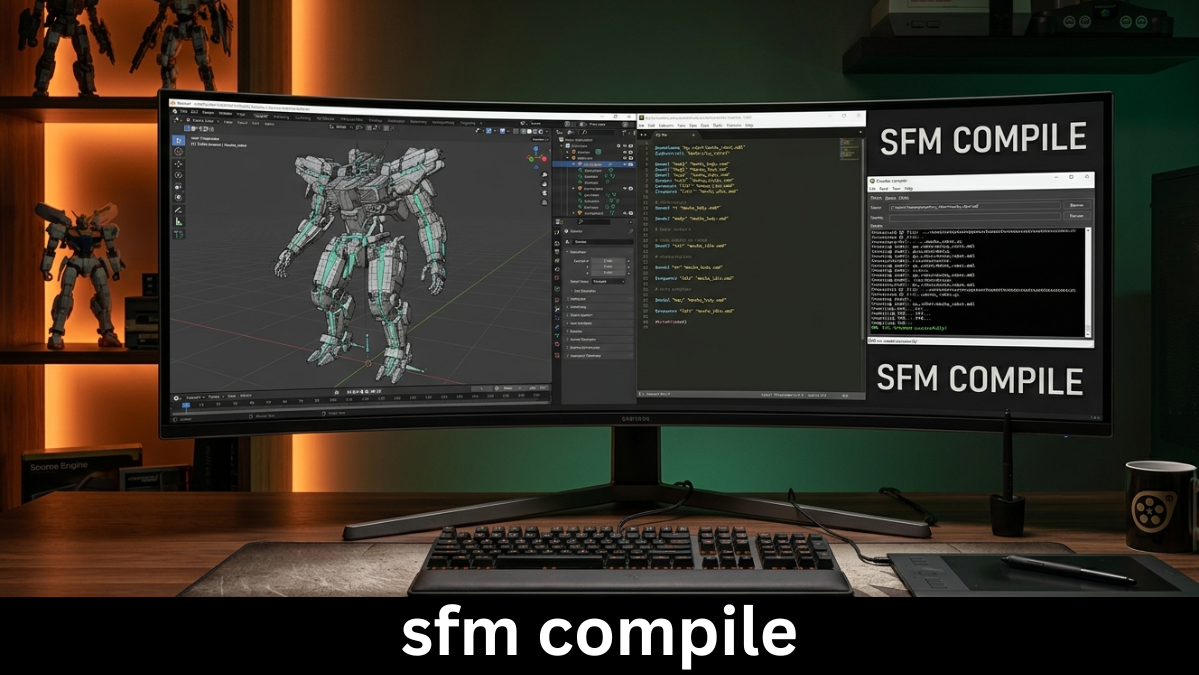
What Is SFM Compile and Why Does It Matter?
SFM compile is a term commonly associated with the process of preparing, converting, and organizing Source Filmmaker (SFM) files so they can work properly within the software environment. In simple words, compiling is the step where raw project elements, models, animations, textures, and other assets are processed into a format that the program can understand and use efficiently. For creators working with SFM, understanding this process can make a major difference in workflow quality.
Many beginners think that creating content in Source Filmmaker is only about importing models and adding animations. However, behind every smooth animation or detailed scene, there is a technical process that ensures all assets function correctly. The compile stage helps transform different resources into usable components while reducing compatibility issues and improving performance.
SFM compile is especially important for people who create custom content. Whether someone is working on new character models, environments, props, or animation assets, proper compilation helps maintain quality and prevents common problems such as missing textures, broken models, or errors during loading. A good understanding of compilation allows creators to spend more time designing and less time fixing technical problems.
How Does SFM Compile Work?
The SFM compile process usually begins with preparing the necessary files. These files may include 3D models, texture images, material settings, animation data, and configuration files. Before compilation, creators need to make sure everything is correctly organized because even a small mistake in file structure can cause issues later.
During compilation, the prepared files are converted into formats that Source Filmmaker can read. The software relies on specific structures and data formats to display models, apply materials, and play animations correctly. Compilation acts as a bridge between the creator’s original files and the final assets used inside the program.
The process may involve checking model information, assigning textures, creating animation sequences, and generating the required files for the final output. Although the technical details can seem complicated at first, the main idea is simple: compilation prepares creative assets so they can perform properly inside SFM. Once users understand this concept, troubleshooting becomes much easier.
Common Reasons Users Need SFM Compile
One of the biggest reasons people use SFM compile is to add custom models and assets to their projects. The standard library may not always contain the exact characters, objects, or environments a creator needs. By compiling custom content, artists can expand their creative options and produce more unique animations.
Another reason for compilation is improving asset compatibility. Different tools and programs may create files in different formats, and those files might not immediately work inside Source Filmmaker. The compile process ensures that these resources are converted into a compatible structure, allowing them to work smoothly without unnecessary errors.
SFM compile is also useful for optimizing performance. Large or poorly prepared assets can slow down projects and make editing frustrating. Properly compiled files are usually easier for the software to process, which can lead to better performance, faster loading times, and a smoother creative experience.
Tools Commonly Used for SFM Compile
Several tools are used by creators when working with SFM compilation. These tools help convert models, manage textures, and prepare assets for use in the software. The exact tools required often depend on the type of content being created and the creator’s workflow preferences.
Model preparation software is often an important part of the process. Artists may use 3D modeling programs to create or modify assets before moving them into a compilation workflow. These programs allow creators to adjust shapes, materials, and other details before the final files are generated.
Compilation utilities are also used to process the prepared files. These utilities handle the technical conversion steps and create the necessary output files. While beginners may find these tools confusing initially, learning their basic functions can significantly improve the overall SFM creation process.
Common SFM Compile Errors and How to Avoid Them
Like any technical process, SFM compile can sometimes produce errors. One common issue is missing or incorrect file paths. If the software cannot locate a required texture, model file, or material, the final result may appear incomplete or fail to load properly.
Another frequent problem is incorrect file formatting. Assets created with the wrong settings may not compile correctly or may behave unexpectedly inside Source Filmmaker. Checking file requirements before starting the process can prevent many of these issues.
Organization is one of the best ways to avoid compile problems. Keeping files properly named, storing resources in the correct folders, and reviewing settings before compiling can save a lot of time. Experienced creators often develop a consistent workflow because it reduces mistakes and makes future projects easier to manage.
Tips for a Better SFM Compile Workflow
A successful SFM compile workflow starts with good preparation. Before beginning the process, creators should review their assets and make sure all required files are available. Spending a few extra minutes organizing resources can prevent hours of troubleshooting later.
Testing assets in small stages is another helpful approach. Instead of compiling a large project all at once, creators can test individual models, textures, or animations first. This makes it easier to identify problems and fix them before they affect the entire project.
Keeping backups is also an important habit. Creative projects often involve many changes, and losing properly prepared files can create unnecessary frustration. Maintaining copies of important assets ensures that creators can return to previous versions if something goes wrong during compilation.
The Importance of Learning SFM Compile for Content Creators
For anyone serious about Source Filmmaker, learning how compilation works is a valuable skill. It provides more control over projects and allows creators to work with a wider range of custom resources. Instead of depending only on existing assets, users can build and customize their own creative libraries.
Understanding SFM compile also improves problem-solving abilities. When an issue appears, creators who understand the compilation process can usually identify the cause faster. This technical knowledge separates casual users from experienced creators who can handle more advanced projects.
As SFM continues to be used by animation enthusiasts, filmmakers, and digital artists, compilation knowledge remains an important part of the creative process. It may seem technical in the beginning, but with practice, it becomes a normal and useful part of production.
Final Thoughts on SFM Compile
SFM compile plays a crucial role in making custom content work properly inside Source Filmmaker. From preparing models and textures to solving compatibility problems, compilation is an essential step for creators who want more flexibility and better results.
Although the process may appear challenging for beginners, understanding the basics can make the entire experience much easier. With proper organization, the right tools, and a willingness to learn, anyone can improve their SFM workflow.
Whether someone is creating short animations, cinematic scenes, or complex projects, mastering SFM compile provides a stronger foundation for creative success. It is not just a technical requirement; it is a skill that helps creators bring their ideas to life with greater control and quality.